
3 Ways Our Ski Partners Teach Us to Be Clear Communicators
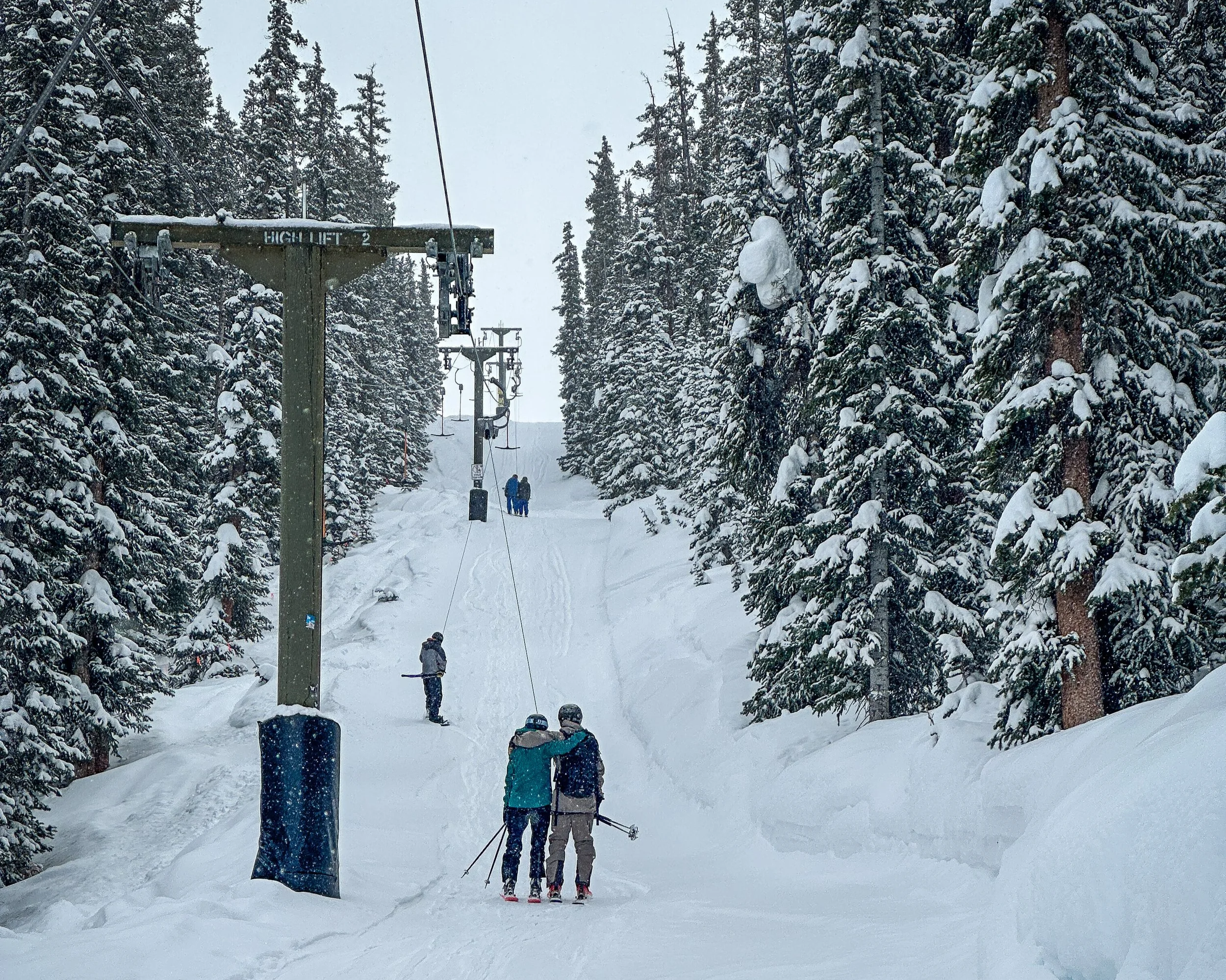
When you spend time on the mountain with someone, you quickly realize that skiing isn’t just about pow days and ripping groomers, it’s about communication. From reading each other’s energy to making quick decisions in unpredictable terrain, ski partners often teach us more about connection and clarity than we notice in the moment. The way we interact on the slopes can reveal a lot about how we show up in our relationships, handle pressure, and repair misunderstandings. Here are three ways your ski partner naturally helps you become a clearer, more grounded communicator.
Nonverbal Awareness - When skiing, we often become acutely aware of our partner’s body language, their slight changes in tone, change in pace, or their sudden silence. As we become attune to these subtle changes, we begin to understand how our partner might be communicating to us without speaking. We can use this skill off the slopes with friends, family, coworkers, and romantic partners. Understanding nonverbal cues helps us recognize how someone is feeling even when they don’t have the words for it, which leads to more empathetic and grounded conversations. It also allows us to respond in ways that build trust and reduce misunderstandings with those relationships.
Communication Under Pressure - When conditions turn or plans change on the mountain, the way we communicate can make or break the day. Maybe visibility drops halfway down a run, someone’s legs are burning more than they expected, or a line that looked manageable from the lift or skintrack suddenly feels too steep in person. In those moments, calm and direct communication becomes essential: “Let’s stop here,” “I need a minute,” or “Let’s take the tree run instead.” There’s no time for long explanations or guessing games—clarity keeps everyone safe, supported, and on the same page.
That same skill becomes invaluable in everyday life, where pressure looks different but feels just as real. In relationships, direct communication helps you say things like “I’m overwhelmed and need a short break” instead of withdrawing or snapping. At work, it supports expressing boundaries or asking for clarity before a project goes sideways. With friends and family, it builds trust by reducing mind-reading and misunderstandings. The ability to stay calm, speak clearly, and communicate your needs—just like you would on a tough ski run—creates more stable, healthier connections in every area of life.
Repair After Miscommunication - Even solid ski partners have moments of tension — a missed signal at a junction, choosing different lines without communicating, or having a close call that leaves one person feeling shaken. These moments are inevitable when you’re making fast decisions, having fun, and taking risks. What matters most isn’t avoiding conflict but what happens afterward. Taking a moment to check in, own your part (“I should’ve called that out earlier”), and re-establish trust helps both people feel grounded again. Repair keeps the partnership strong and prevents small miscommunications from snowballing into resentment.
The same process plays out in everyday life. Maybe you and your partner misread each other’s tone after a long day, or you forget to follow through on a commitment, or there’s a misunderstanding with a friend that leaves someone feeling unheard. Repair looks similar off the mountain: acknowledging the impact (“I see how that affected you”), taking responsibility, and finding a way forward that restores connection. Just like skiing, relationships thrive not because there’s never friction, but because we’re willing to come back together, recalibrate, and trust again.
